AQID: 62927d91ae765ae47be3f348e8b8fe56

FootJoy Golf Shoes

58 Results
Selection of a filter will refresh the page with new results.
Sort By: {{opt.text}}

FootJoy Golf Shoes


Explore Performance FootJoy Golf Shoes for Every Golfer

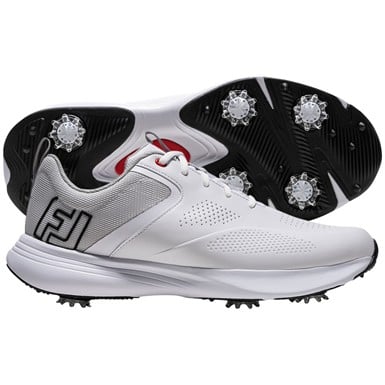
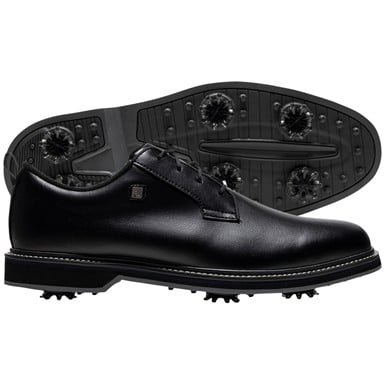
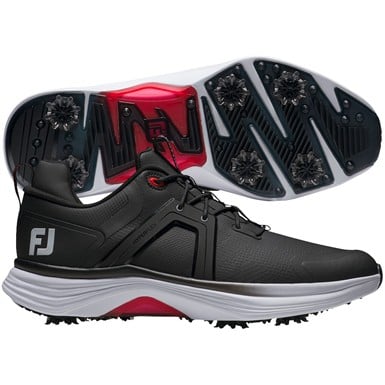
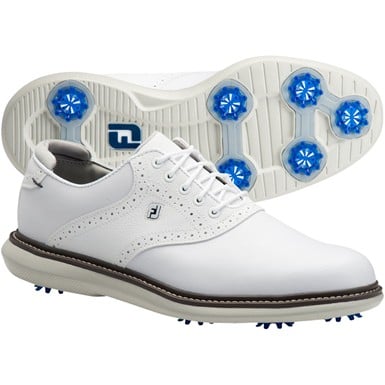
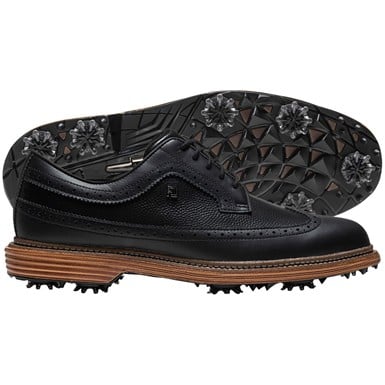
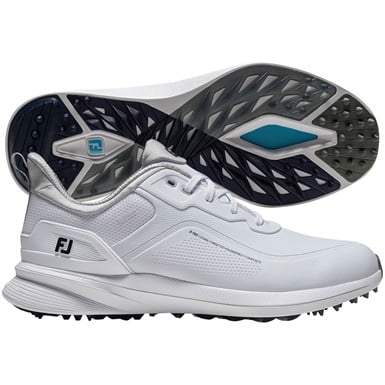
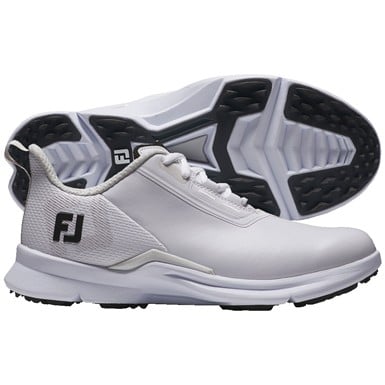
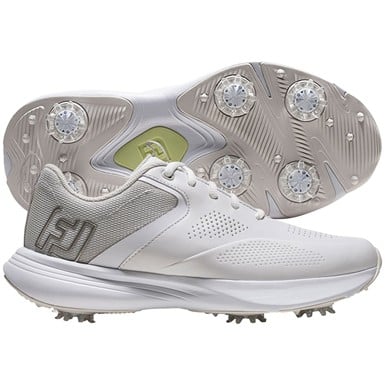
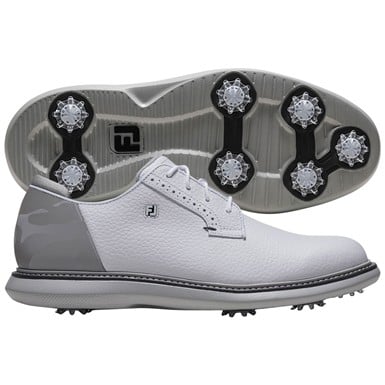
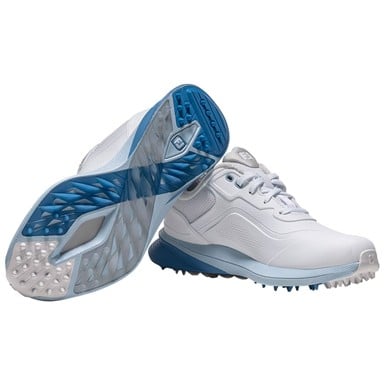
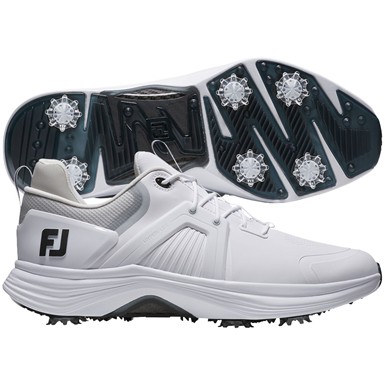
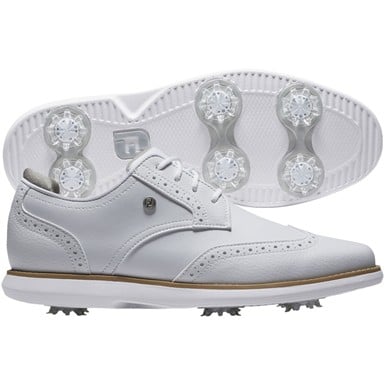
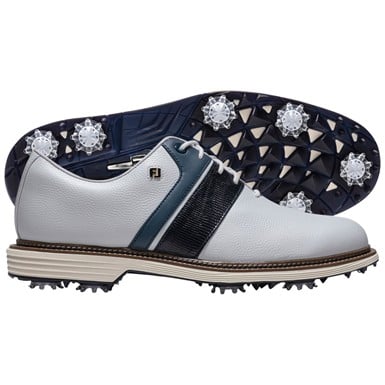
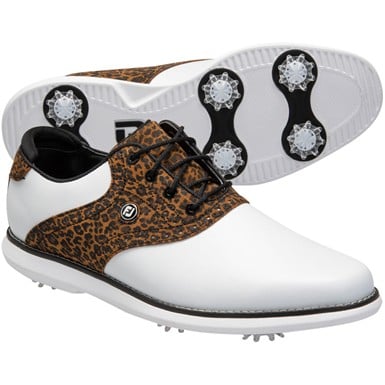
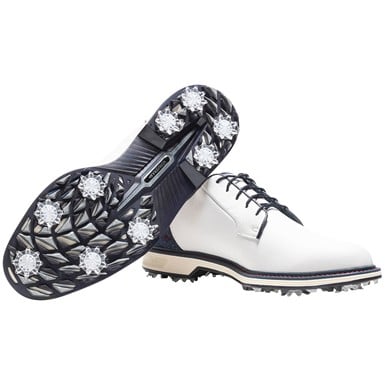
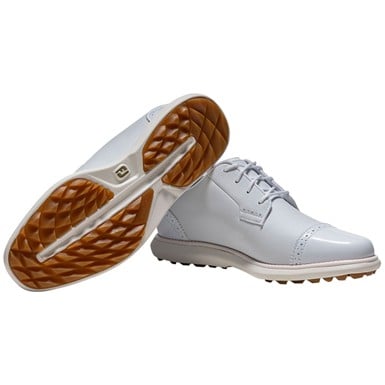
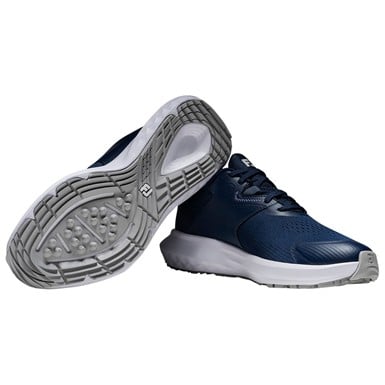
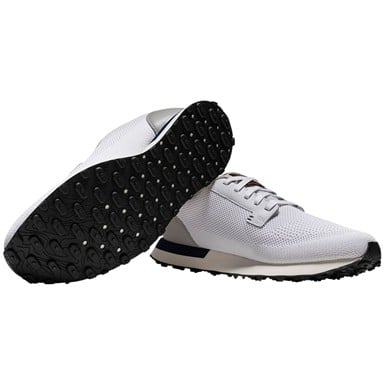
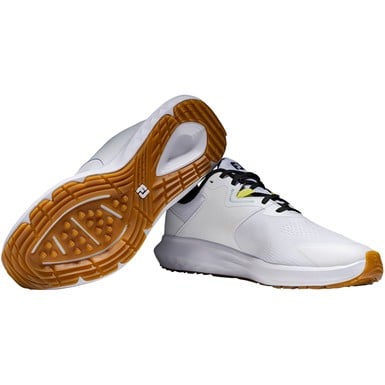
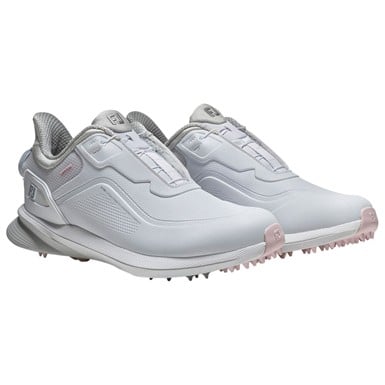
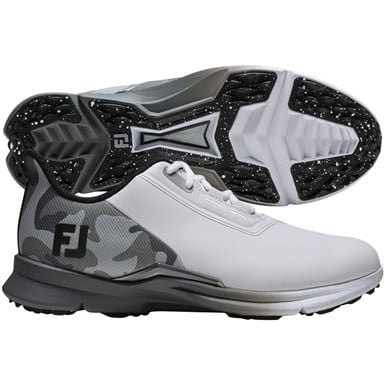
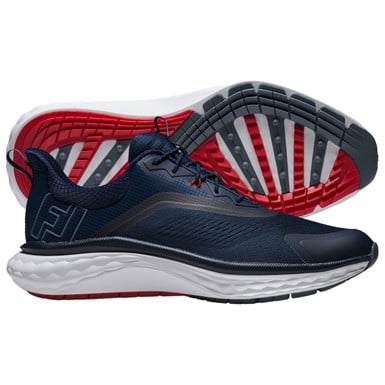
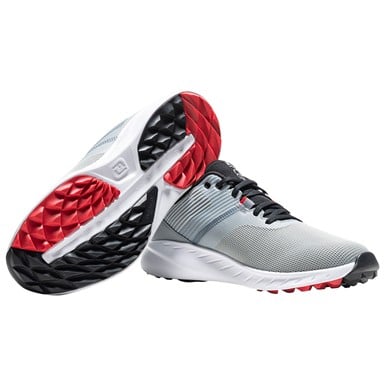
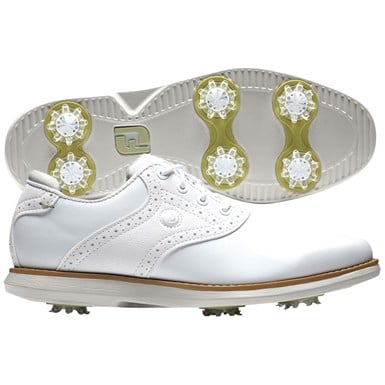
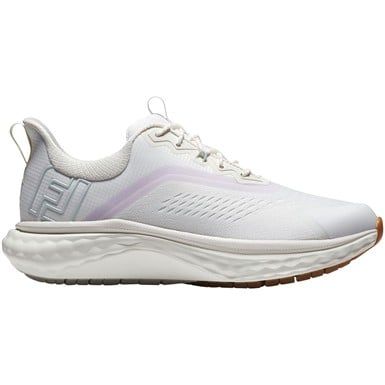
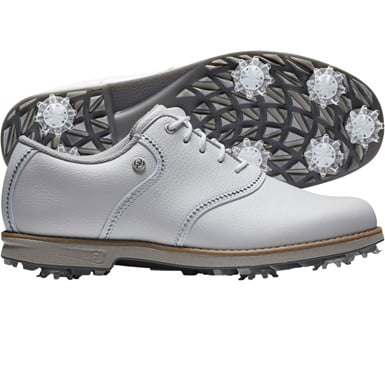
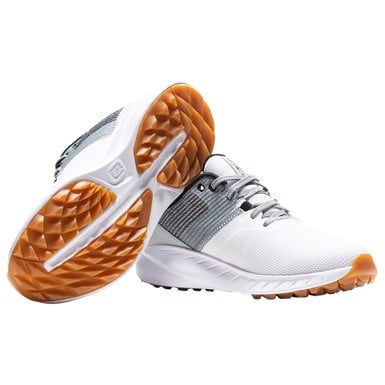
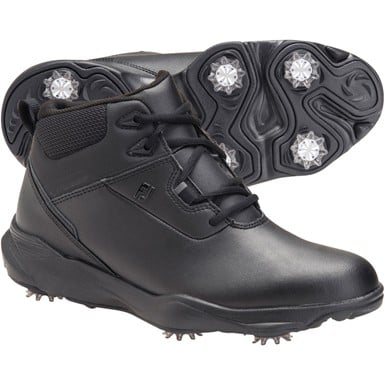
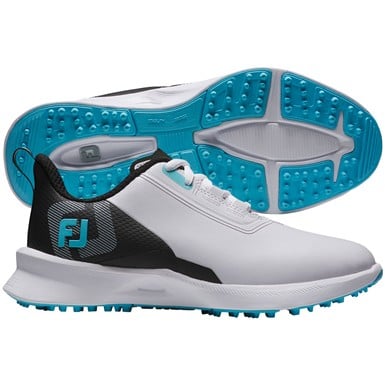
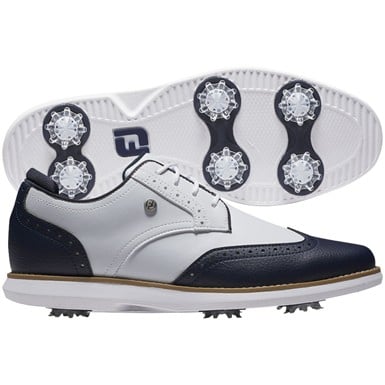
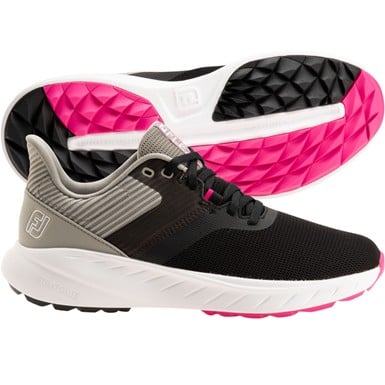
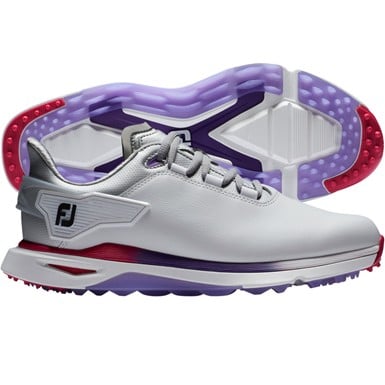
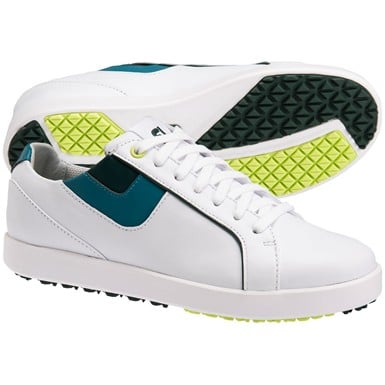
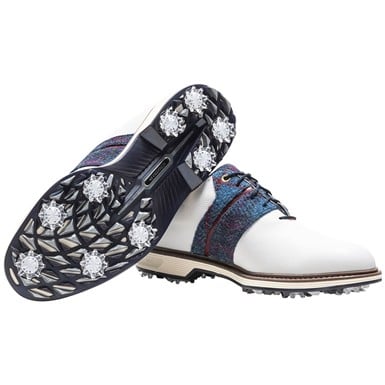
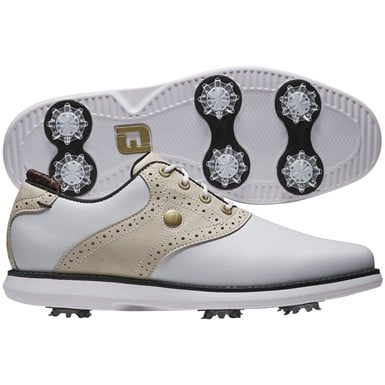
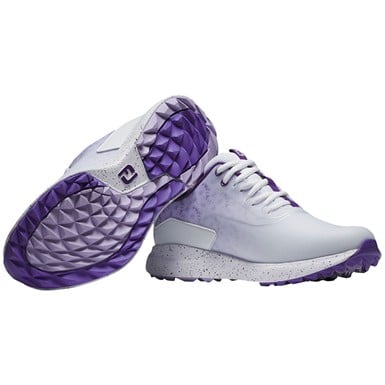
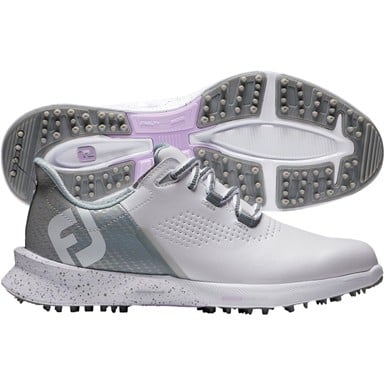
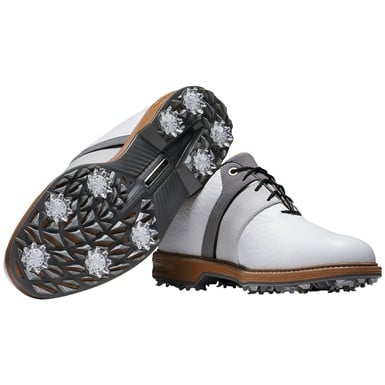
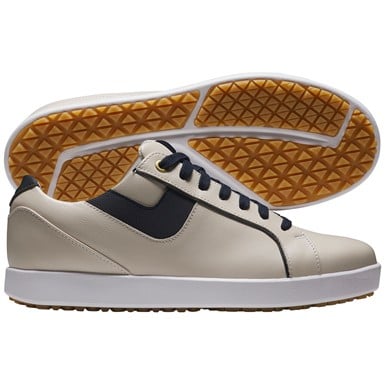
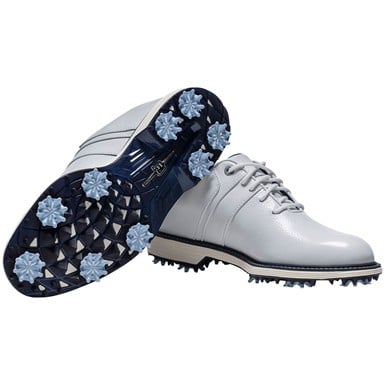
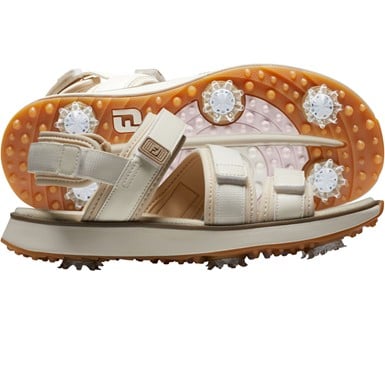
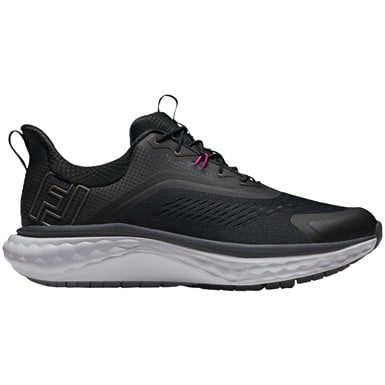
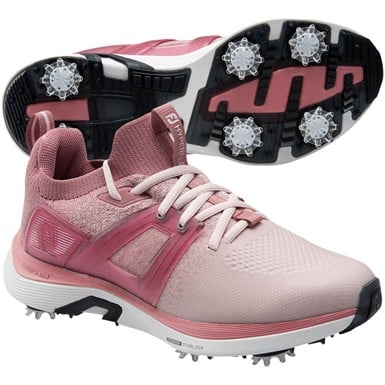
FootJoy golf shoes at TGW provide comfort, stability, and traction for golfers seeking to maximize their performance on the course. This category includes a comprehensive selection of men's and women's golf shoes, ideal for beginners, high-handicappers, avid mid-handicappers, and single-digit competitive players. Whether you play in club tournaments, charity golf outings, or regular league events, FootJoy options can support a wide range of on-course demands.


Men's and Women's FootJoy Golf Shoes

The assortment features dedicated men's and women's models, offering both style and fit considerations specific to each golfer's needs. Female and male players will find choices designed for optimal turf interaction and comfort, supporting full rounds and intense practice sessions equally well. These shoes are selected for their balance of cushioning, fit, and on-course adaptability, making them suitable for individual golfers, team orders, or junior programs looking for reliable footwear solutions.


Selecting the Right FootJoy Shoe for Your Game

Fitting is central to golf footwear performance. The FootJoy range on TGW allows players to compare styles that prioritize support, stability, and traction, which are essential for maintaining balance and generating power throughout the golf swing. Walkers and cart players alike benefit from designs that consider comfort and versatility, reducing fatigue during extended play or competitive tournament rounds. Key criteria such as fit, stability, and grip are apparent across the choices, helping players match their shoe selection to regular playing conditions and their unique swing characteristics.


Diverse Styles and Features

Customers exploring FootJoy golf shoes will notice a variety of styles tailored for different preferences. The collection includes both modern and classic designs to align with golfer tastes, uniform requirements for golf teams, or apparel preferences for club fittings. Each option emphasizes core qualities such as comfort, secure fit, and all-weather tractionpriorities for golfers focused on maximizing energy transfer, controlling their stance, and optimizing swing efficiency.


Flexible Purchasing for Every Golfer

The diverse FootJoy offering on TGW supports flexible purchasing for both individual and group buyers. Clubs, golf leagues, and events can source footwear for participants or as tournament gifts, while committed amateurs and experienced competitors can choose models based on personal fitting needs. The buying process is designed to efficiently guide shoppers through sizes, selections, and gender-specific options for a confident and informed choice.

Find your next pair of men's or women's FootJoy golf shoes at TGW and experience the benefits of dedicated performance, comfort, and support designed for your golf journey.

Golf Balls FAQs


How do I choose between a 2-piece and a 3-piece golf ball?

The core difference comes down to spin rate and feel. A 2-piece ball is built for low spin off the driver and maximum distance, which makes it ideal if you want a ball that flies straight and rolls out after landing. A 3-piece or multi-layer ball generates more spin through the scoring zones, giving you better control on approach shots and around the greens, but it demands a certain swing speed to unlock those benefits.


What is the best golf ball for a high handicapper?

As a high handicapper, your biggest friend is a low-compression, low-spin ball that minimizes side spin on mishits and keeps the ball in play. A 2-piece ionomer cover ball in the 70 to 80 compression range will give you more distance with a slower swing speed and reduce the severity of slices or hooks. Save the premium urethane tour balls for when your ball striking becomes more consistent, because those balls will actually amplify spin and punish off-center strikes.


What golf ball specs matter most for my game?

Compression and cover material are the two specs that will have the biggest impact on your performance. Compression should match your swing speed, with softer balls suiting swing speeds under 90 mph and firmer balls performing better above that threshold. Cover material determines feel and spin control, with urethane covers producing more greenside spin and turf interaction compared to the firmer Surlyn or ionomer covers found on distance balls.


How do tour balls compare to distance balls?

Tour balls like the Titleist Pro V1, Callaway Chrome Soft X, and TaylorMade TP5 use a soft urethane cover and multi-layer construction to give you high spin on wedge and iron shots with a penetrating flight off the driver. Distance balls sacrifice some short game spin in exchange for a harder cover and lower overall spin rate, which translates to more rollout and easier straight ball flight. If your scoring happens from 100 yards and in, a tour ball will reward you, but if distance and durability matter more, a premium distance ball is the smarter choice.


What is the most common mistake golfers make when buying golf balls?

The most common mistake is buying a ball based on brand loyalty or what a tour pro plays rather than matching the ball to your actual swing speed and skill level. A mid-handicapper playing a high-compression tour ball often gives up distance and gets inconsistent feel because they cannot compress the ball properly at impact. Fit the ball to your game first, and you can browse options across a wide range at TGW clearance golf balls to test different models without a big commitment.


Should I get fit for a golf ball the same way I get fit for clubs?

Absolutely, and most golfers skip this step entirely. A proper ball fitting looks at your driver swing speed, launch angle, and spin rate, then cross-references that data with your short game preferences around feel and greenside spin control. The goal is to find one ball that balances those two sides of your game rather than trading distance for control or vice versa. Even a simple on-course test where you play three holes with two different ball models back to back will reveal meaningful differences in flight, feel, and scoring.