AQID: ed53b6e707d766d30876aae65de0b69e

Golf Electronics

29 Results
Selection of a filter will refresh the page with new results.
Sort By: {{opt.text}}

Golf Electronics

Enhance Your Game with Rangefinders, GPS Devices, and Launch Monitors

Golf electronics have become essential tools for players of every skill level, offering advanced distance measurement, real-time feedback, and data-driven insights. Whether you are a beginner looking to improve accuracy, a mid-handicapper fine-tuning club selection, or a single-digit handicap seeking every competitive edge, the right electronic device can make a measurable difference on the course. Seniors, juniors, competitive amateurs, golf teams, and those participating in leagues or charity events will all find practical advantages in utilizing these technologies for more consistent performance and productive practice sessions.


Types of Golf Electronics at TGW

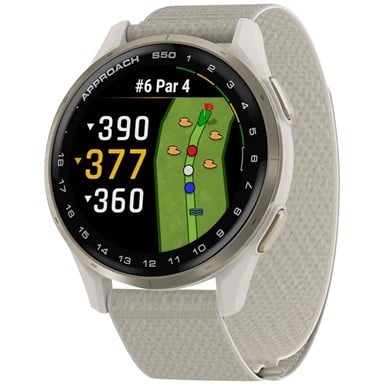
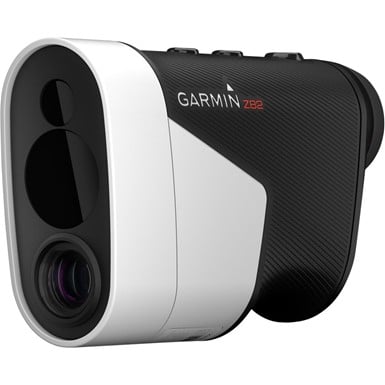
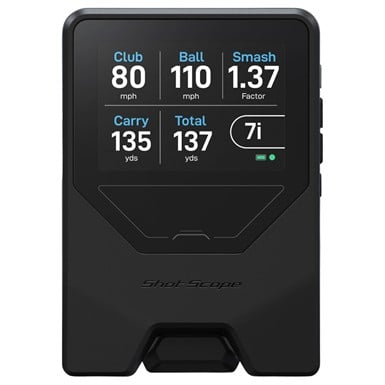
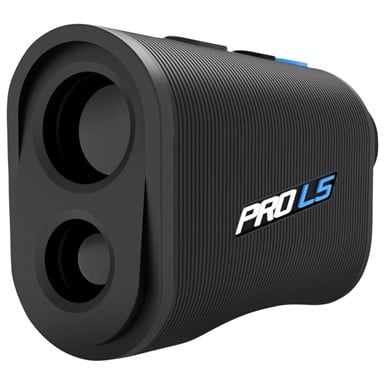
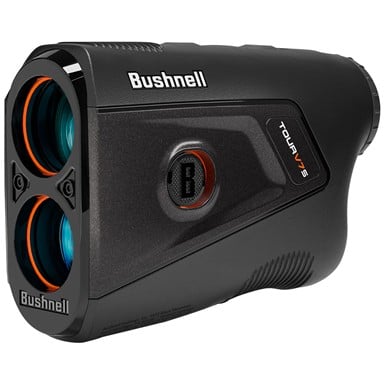
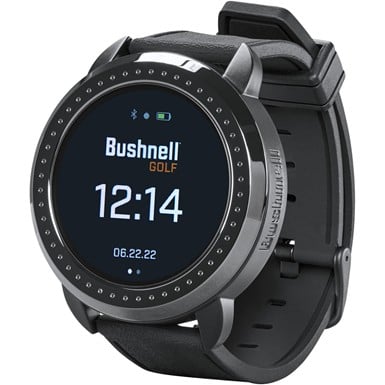
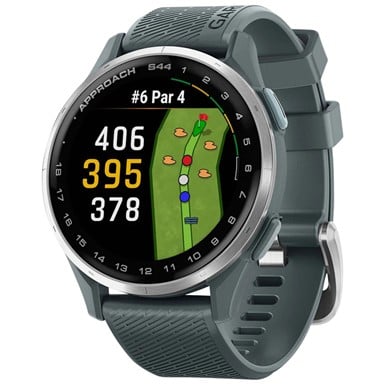
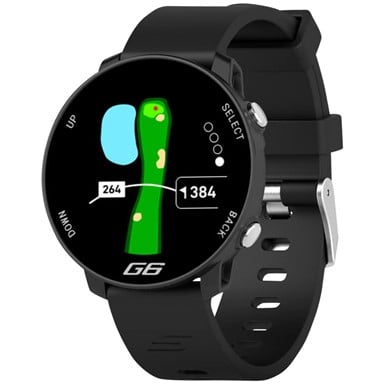
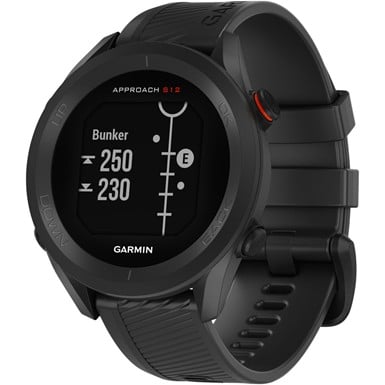
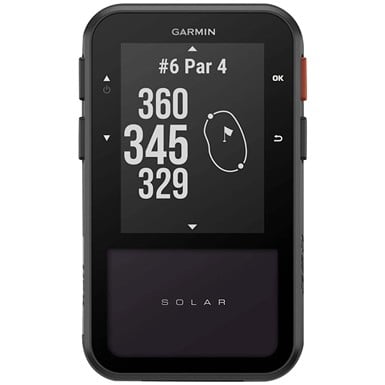
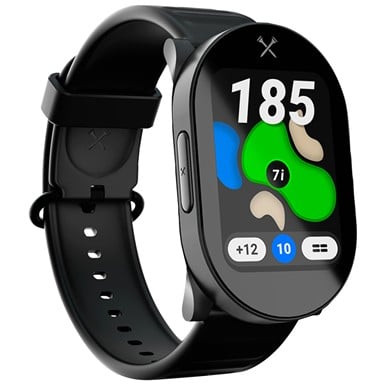
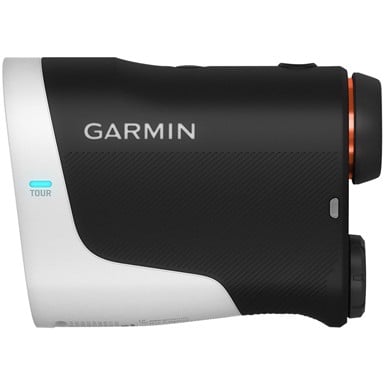
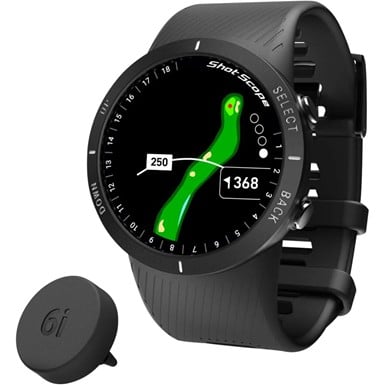
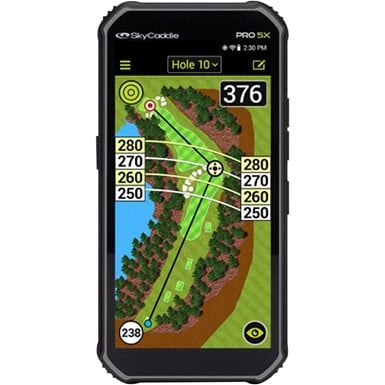
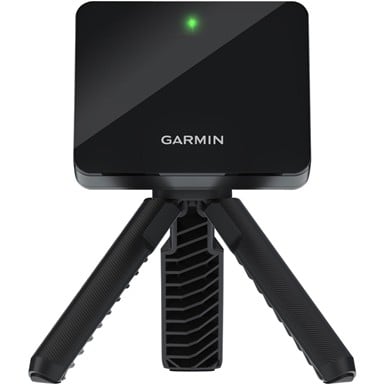
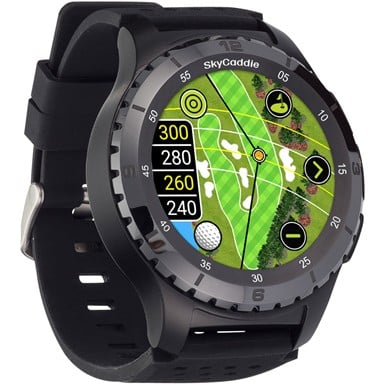
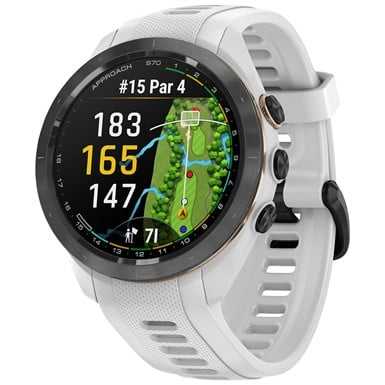
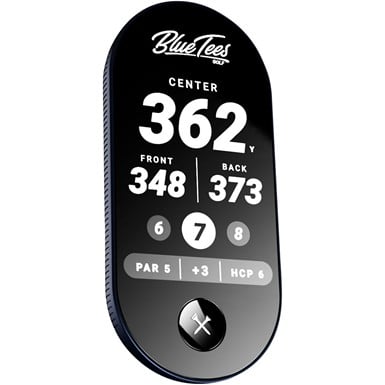
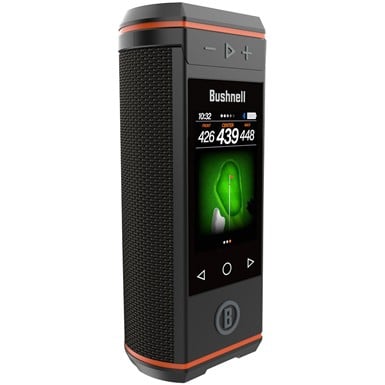
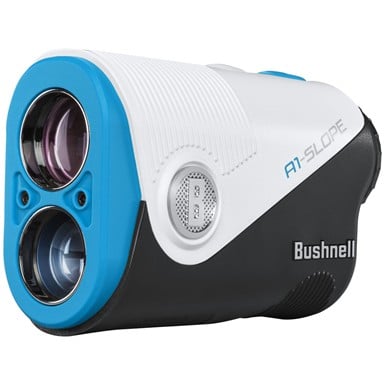
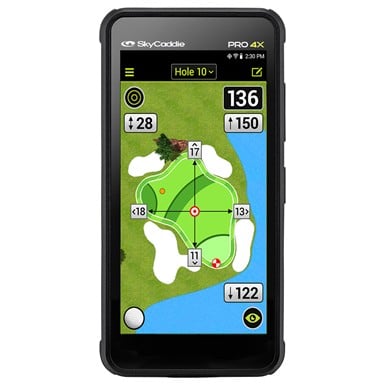
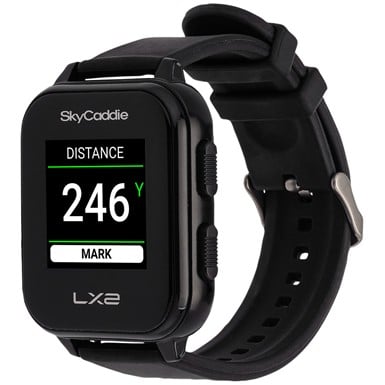
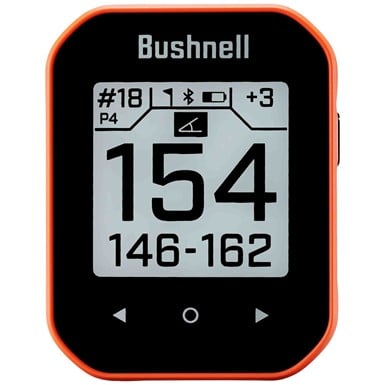
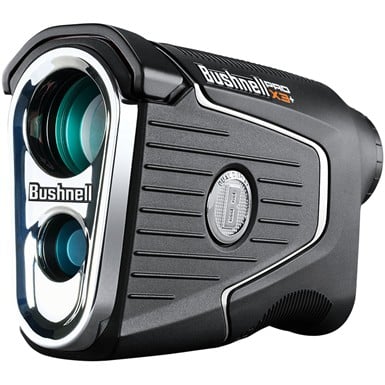
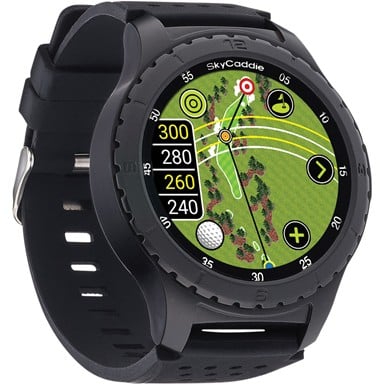
At TGW, you will find a curated selection of golf electronics, including laser rangefinders, GPS handhelds, GPS watches, and launch monitors. Laser rangefinders provide precise yardages to flags or hazards, supporting better decision-making and improved course management. GPS devices and watches deliver overhead course mapping, front-middle-back yardages, and hazard locations, allowing for smart club choice on every shot. Launch monitors offer advanced analytics such as swing speed, ball speed, and other data that help fitters, coaches, and self-directed players analyze and enhance their game both on the range and at home.


Top-Performing Golf Electronics Brands

Golf electronics selections feature leading brands known for reliability, innovation, and accuracy. The assortment includes offerings from respected names in performance golf technology, with each delivering unique features and intuitive user interfaces to meet the demands of all player types. The inclusion of these trusted manufacturers ensures high standards in measurement precision, battery life, and ease of usecrucial for busy tournament schedules, junior golf programs, or multi-round league play.

Key Features and Selection Tips

Distance measurement, slope calculation, large display screens, touch controls, and weather-resistant designs are among the features that can help golfers optimize results. Many devices are engineered for rapid measurement, seamless course updates, and convenient carry on the bag or wrist. Golfers seeking forgiveness in approach play, consistency in club fitting, or actionable feedback for coaching will appreciate the real-time analytics and performance feedback delivered by modern golf electronics. Consider your typical course conditions, frequency of play, and whether portability or detailed shot data is most important for your needs.


Fitting and Use Case Considerations

Electronics such as launch monitors can play a significant role during fittings, enabling accurate evaluation of swing metrics, spin rates, and launch conditions for all club types, from drivers to wedges. These tools are equally suited for team practices, individual training, or as unique tournament gifts. If you are participating in club outings, organizing a league, or providing instruction for juniors, investing in high-quality golf electronics can help foster skill development and support more objective coaching discussions.

Explore the full selection of golf electronics at TGW to discover how rangefinders, GPS devices, and launch monitors can elevate your distance control, enhance course management, and bring a new level of data precision to your game.

Golf Electronics FAQs

Should I get a laser rangefinder or a GPS watch for golf?

The choice really comes down to how you like to gather information on the course. A laser rangefinder gives you pinpoint accuracy to the flag, which is ideal if you want exact yardages before committing to a club, while a GPS watch delivers constant at-a-glance distances to the front, middle, and back of the green without ever pulling a device from your pocket. Most competitive amateurs and low handicappers lean toward a laser for precise target locking, whereas recreational players and walkers often prefer the convenience and speed of a GPS watch.


What is the best golf GPS device for a beginner golfer?

For a beginner, a GPS watch or a simple handheld GPS unit is almost always the better starting point because it removes one more decision from your pre-shot routine and helps you focus on learning the game rather than operating equipment. You want something with clear yardage readouts to the green and basic hazard distances, without a steep learning curve. As your game develops and you start dialing in how far you carry each iron, you can layer in a rangefinder for more precise distance control.


What specs matter most when buying a golf rangefinder?

The three specs that matter most are maximum range, magnification, and slope compensation. Maximum range tells you whether the device can lock onto targets at the distances you actually play, magnification affects how steadily you can hold the flag in view, and slope-adjusted yardage is critical if you play hilly courses where a 150-yard shot might actually play 160 due to elevation change. Pin-seeking or flag-lock technology is also worth prioritizing because it filters out background objects and locks onto the flag rather than trees or grandstands behind the green.

How do golf GPS watches compare to dedicated handheld GPS units?

GPS watches and handheld units both use satellite positioning to deliver course yardages, but they differ in how you interact with them and what additional data they offer. A watch keeps your hands free and often tracks steps, heart rate, and swing metrics, making it a lifestyle device as well as a golf tool, while a handheld GPS typically features a larger screen with detailed hole maps, hazard overlays, and shot-distance logging that is easier to read in bright sunlight. If you want a single device that does double duty off the course, go with a watch, but if detailed visual hole layouts and a bigger display are priorities, a handheld unit wins. You can explore the full range of options alongside other on-course tools at TGW Golf Accessories.


What is the biggest mistake golfers make when buying golf electronics?

The most common mistake is buying a device based solely on price without checking whether it is legal for tournament and handicap play, particularly with slope-enabled rangefinders. Many slope rangefinders are legal to carry but must have the slope feature switched off during competition rounds, and golfers who do not know that get penalized or disqualified unnecessarily. Always confirm that any device you plan to use in rounds that count toward your handicap or in club competitions carries a conforming certification and has a clearly accessible way to disable non-conforming features.


How do I set up and calibrate a new GPS golf watch for my home course?

Most modern GPS golf watches come preloaded with tens of thousands of courses worldwide, so setup is usually as simple as syncing the watch to its companion app, selecting your course at the start of a round, and confirming the correct tee box. Calibration in the traditional sense is handled automatically through satellite acquisition, but you should walk a known distance on your range or course and compare it to the device readout during your first few rounds to build trust in its accuracy. If your home course is not preloaded, most manufacturers allow you to submit course mapping data or download community-submitted layouts through their app.