AQID: 9c99ddc6367625e71cf6fe8639cd8c14

Golf Push Carts

11 Results

Golf Push Carts


Performance Benefits of Golf Push Carts

Golf push carts are designed to enhance both comfort and efficiency for players across all skill levels by simplifying the process of transporting bags and equipment on the course. Whether you are a high-handicapper looking for convenience, a mid-handicapper seeking to preserve energy, or a senior golfer aiming for improved turf interaction without carrying heavy gear, a quality push cart keeps your clubs easily accessible while allowing natural walking motion. For beginners and juniors, push carts help promote correct posture and reduce fatigue, ensuring every round focuses more on performance and enjoyment rather than managing equipment from hole to hole.


Top Brands and Model Variety

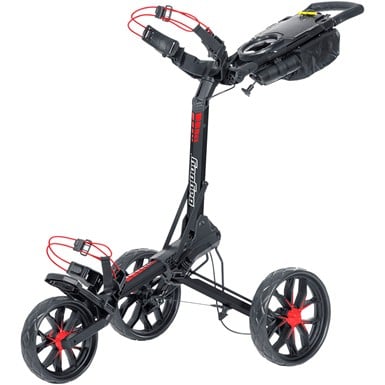
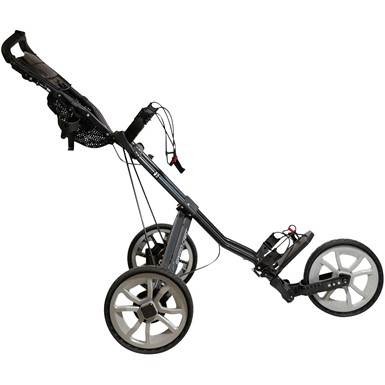
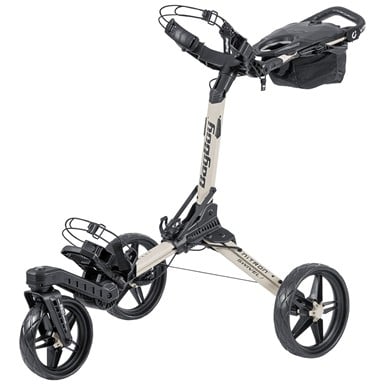
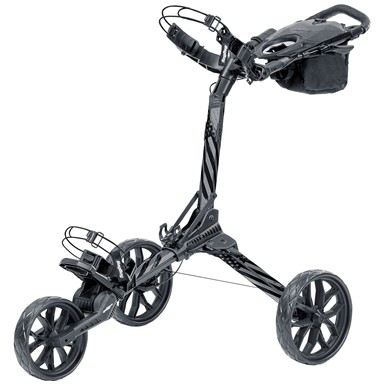
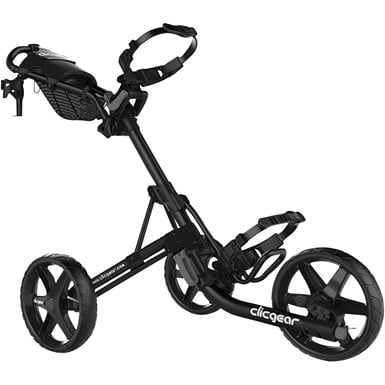
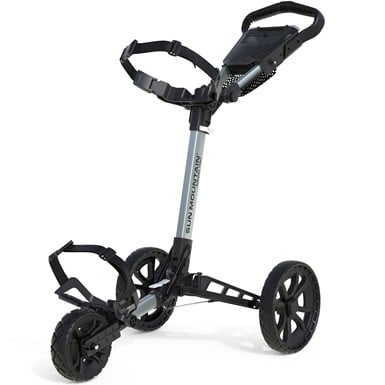
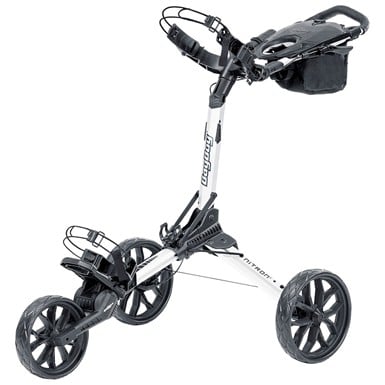
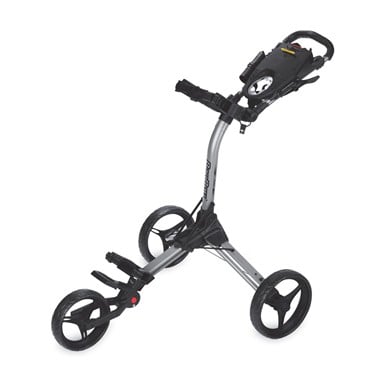
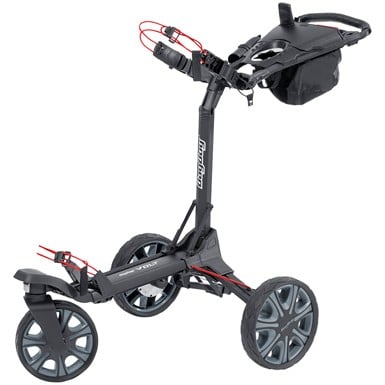
TGW offers a diverse selection of push carts from top brands, including Bag Boy, Sun Mountain, and Clicgear. These brands are recognized in the industry for their reliable designs and innovative technologies that make maneuvering on various fairway conditions straightforward. Golfers can select from lightweight and foldable models that suit distinct preferences regarding storage, ease of transport, and terrain adaptability. The different models available address needs ranging from compact storage solutions for tournament travel to robust frames suitable for extensive practice sessions with golf teams or in junior programs.

Key Features and Technologies

The golf push carts available at TGW showcase features such as ergonomic handles, easy-glide wheels for optimal movement on varying turf, and efficient folding mechanisms for quick storage between rounds. Some models include umbrella holders, scorecard holders, and adjustable strap systems to properly fit a wide range of bag sizes. These practical elements help maintain bag stability, aligning with players' expectations for balance and workability during every shot. Golfers will also appreciate how these features contribute to an organized experience whether in a weekly golf league, local charity golf outing, or club fitting event.


Fitting Considerations for All Golfers

Choosing the right golf push cart requires attention to personal fitting criteria. Golfers should consider handle height, wheelbase width for stability, and overall cart weight to match their own strength and preferred walking style. For competitive amateurs and single-digit handicaps, selecting a push cart that complements their individual bag dimensions and offers adjustable settings delivers optimized feel and control during play. Juniors or seniors may benefit from lightweight frames and simplified folding actions, ensuring a stress-free setup and breakdown on the course.


For players exploring related cart options or looking to compare other course transport solutions, TGW also provides a broad range of choices on the golf carts and trolleys category page.

Discover the full lineup of push carts from trusted golf brands at TGW and find the ideal walking companion that supports your comfort, performance, and passion for the game.

Golf Push Carts FAQs


What is the difference between a 3-wheel and 4-wheel golf push cart, and which should I get?

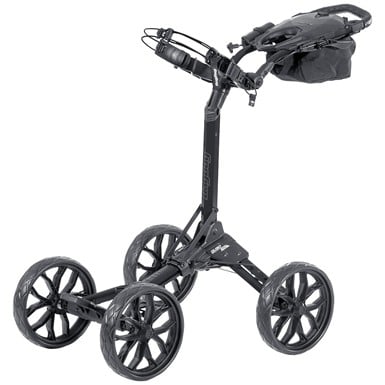
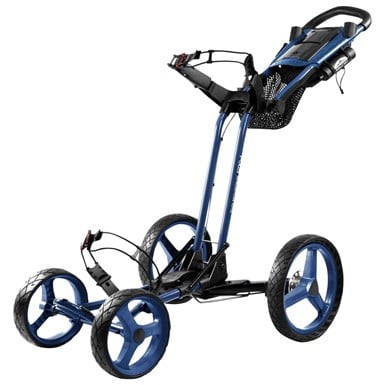
A 3-wheel push cart is lighter and easier to maneuver on tight turns, making it a great choice if you walk courses with a lot of elevation changes or narrow paths. A 4-wheel cart offers a wider, more stable base that keeps your bag upright on uneven terrain without as much hands-on balancing. If you walk hilly or wet courses regularly, the added stability of a 4-wheel model is worth the slight extra weight.


What is the best golf push cart for a beginner who is just starting to walk the course?

For a beginner, a lightweight 3-wheel cart with a simple folding mechanism and a universal bag strap system is the most practical starting point. You want something that sets up and breaks down quickly so the learning curve stays on your swing, not your equipment. As your game develops and you get a sense of how often you walk, you can invest in a more feature-rich model with accessories like a scorecard holder, cooler pouch, or GPS device mount.


What specs should I look for when buying a golf push cart?

The most important specs to evaluate are total cart weight, wheel diameter, folded dimensions for your car trunk, and the type of bag attachment system. Larger wheels, typically 12 inches or more, roll more smoothly over rough turf and thick rough, reducing the effort needed to push the cart across the course. A well-designed brake system and a low center of gravity are also critical, especially on downhill holes where a runaway cart can damage your clubs or disrupt fellow players.

How do Clicgear and Bag Boy push carts compare to each other?

Clicgear carts are widely regarded for their rock-solid build quality, precise folding mechanism, and extensive accessory ecosystem, making them a favorite among serious walking golfers. Bag Boy carts tend to offer a broader range of price points and often include built-in features like integrated coolers or seat attachments that Clicgear sells separately. Both brands produce reliable carts, so the decision usually comes down to whether you prefer a more modular, customizable setup or a more complete out-of-the-box package. You can browse the full selection of golf accessories at TGW to compare models side by side.


What is the most common mistake golfers make when buying a push cart?

The most common mistake is buying a cart without checking whether it is compatible with your specific golf bag, particularly stand bags, which have angled bases and legs that can conflict with certain cart designs. Many golfers assume all bags fit all carts, but mismatched compatibility can cause the bag to sit at an awkward angle, shift during your round, or stress the bag's attachment points over time. Always verify that the cart's bag cradle dimensions and strap system accommodate your bag's base diameter and support leg style before purchasing.


How do I properly set up and adjust a golf push cart so my bag rides correctly?

Start by setting the lower bag tube or cradle to match the diameter of your bag's base, then secure the bottom strap tightly before attaching the upper strap near the top of the bag just below the dividers. The bag should sit close to vertical or with a very slight rearward lean so the weight stays balanced over the rear axle, which reduces strain on the handle and keeps the cart tracking straight. If your bag tilts too far forward or backward, adjust the cradle height or strap position in small increments until the cart rolls without pulling to one side.